
 Request Call Back
Honed (Matt) vs Polished Tiles: Understanding the Differences
When choosing tiles for a home or commercial project, one of the most important decisions is the finish. Whether you are selecting natural stone or porcelain tiles, the choice between a honed (matt) finish and a polished finish will affect the appearance, practicality, maintenance requirements, and suitability of the space.
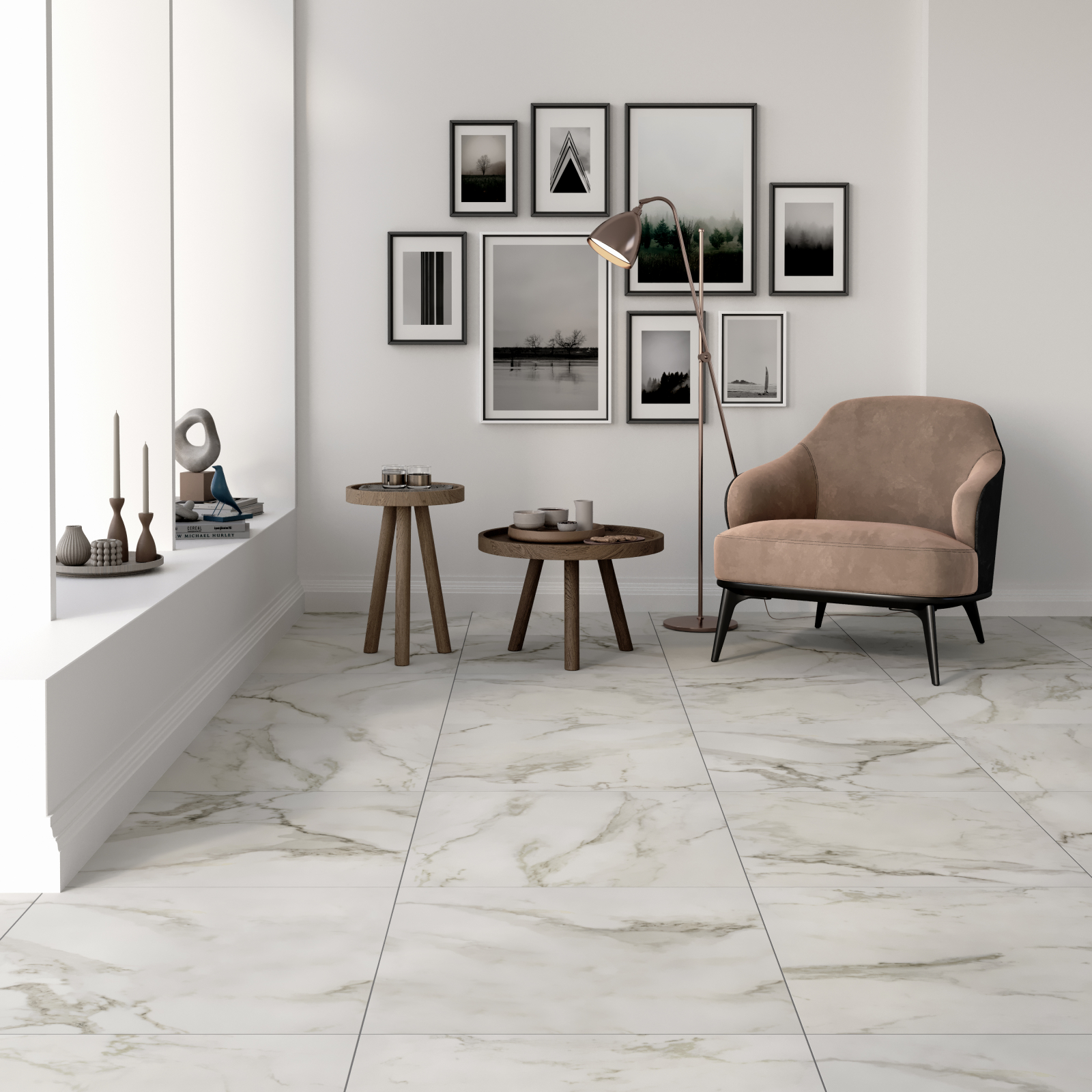
What is a Honed (Matt) Finish?
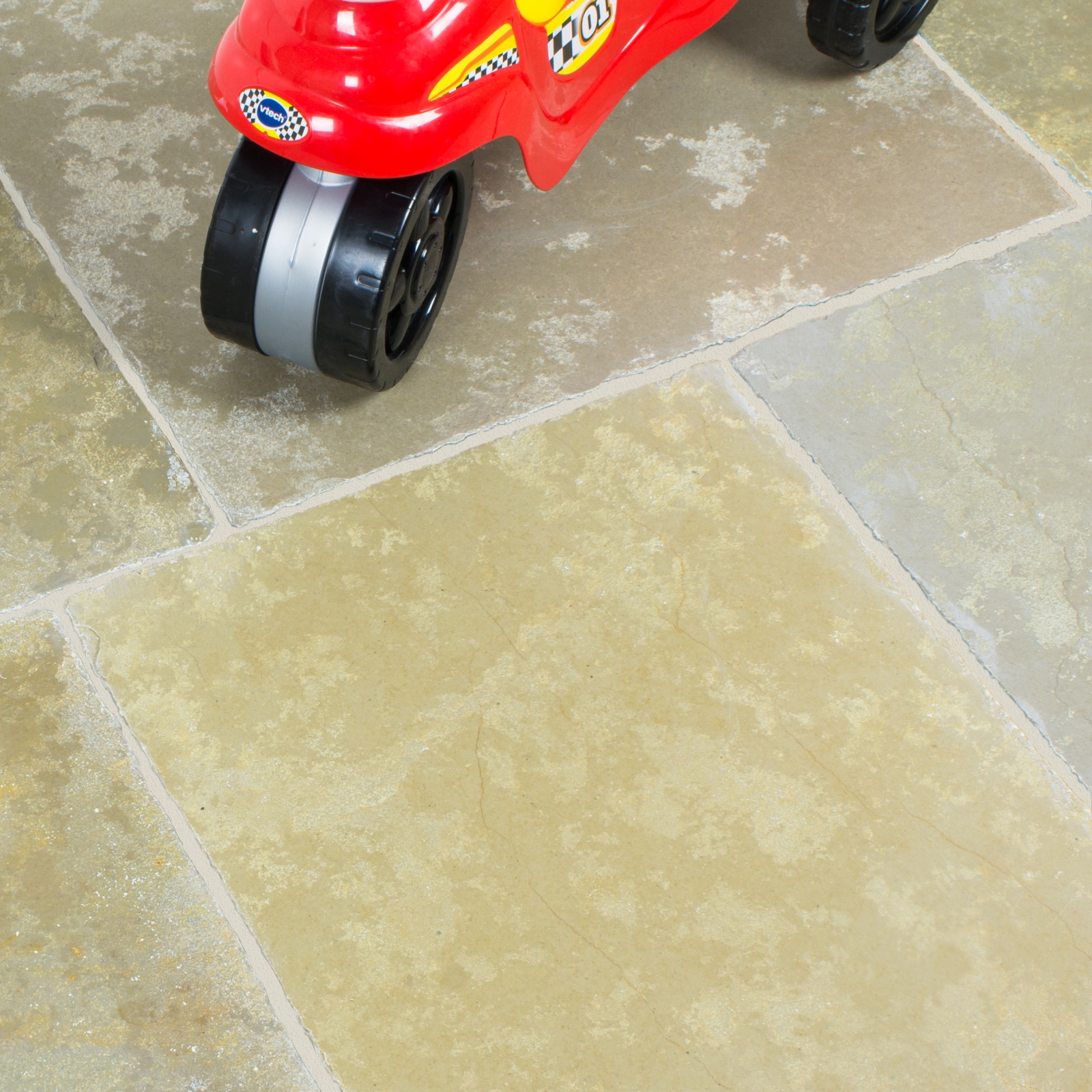
A honed finish is created by grinding the surface of a tile to produce a smooth, flat appearance without a high shine. The result is a matt or satin-like finish that offers a more natural and understated look.
In natural stone products such as limestone, marble, travertine, and slate, honing softens the surface while preserving the stone's natural character and texture. With porcelain tiles, matt finishes are manufactured to replicate the appearance of natural materials while providing a contemporary, low-sheen aesthetic.
Honed or matt tiles are particularly popular in modern interiors, rustic settings, and areas where a softer, more organic appearance is desired.
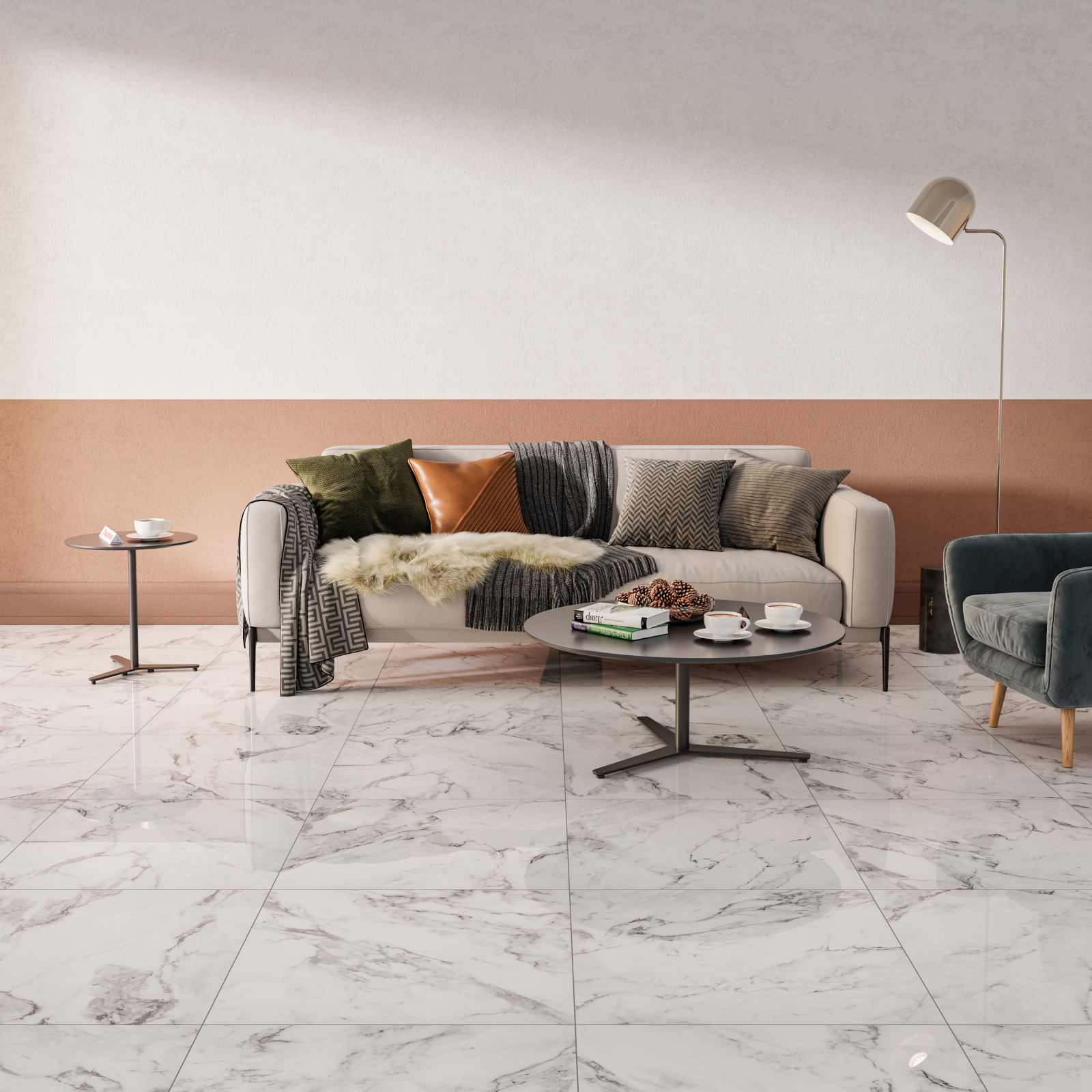
What is a Polished Finish?
Polished tiles undergo additional processing to create a highly reflective, glossy surface. In natural stone, this involves polishing the stone until it develops a mirror-like shine that enhances colour depth and veining. Marble is one of the most commonly polished natural stones due to its ability to achieve a luxurious, high-gloss finish.
Polished porcelain tiles are manufactured using specialised polishing techniques that create a sleek and sophisticated appearance. The reflective surface helps to brighten rooms by reflecting both natural and artificial light.
Polished finishes are often chosen for elegant living spaces, entrance halls, hotels, and commercial environments where a premium look is required.
 ..
..
Appearance Differences
The most obvious difference between honed and polished tiles is their visual impact.
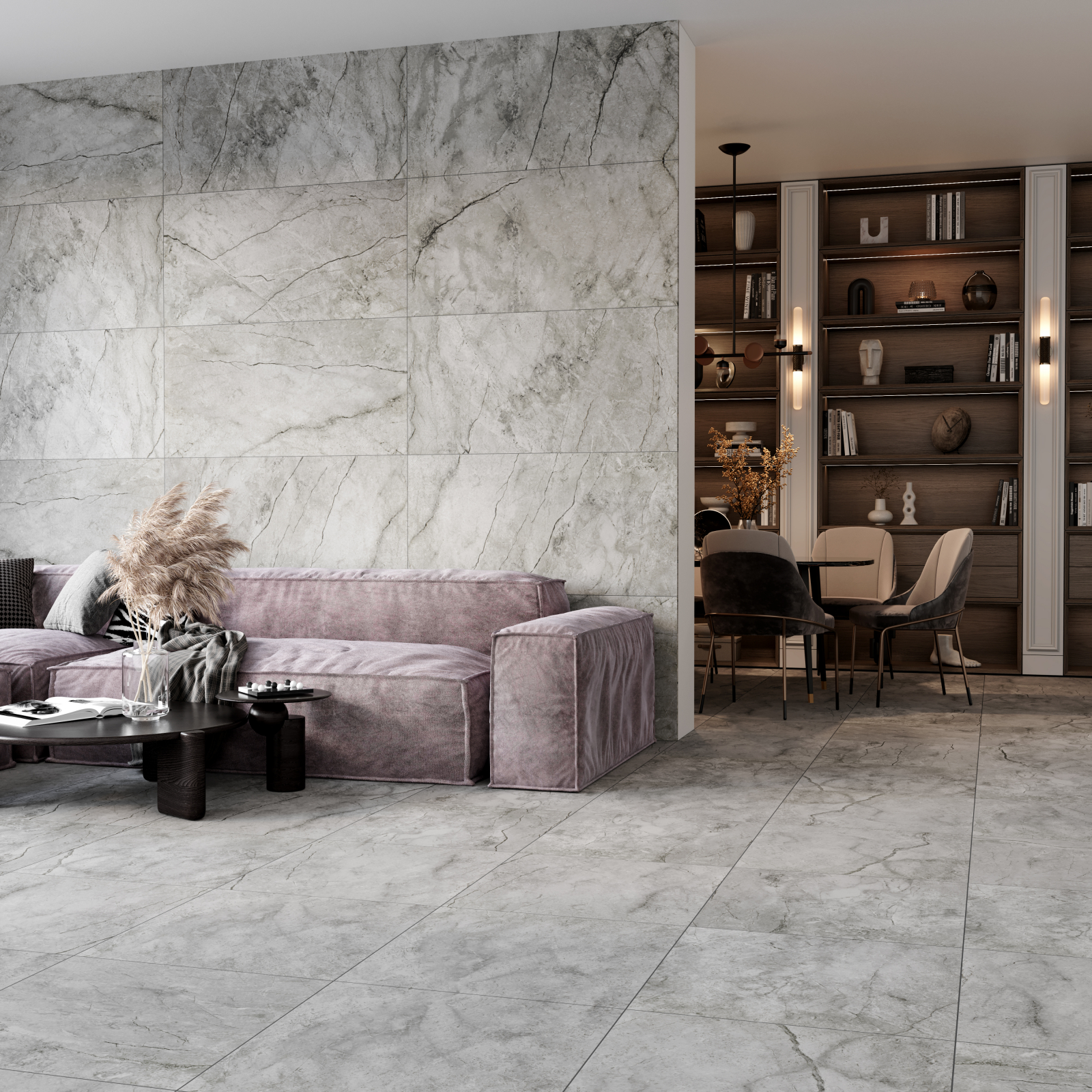
Honed or matt tiles provide a subtle, natural appearance that minimises glare and creates a relaxed atmosphere. They tend to hide scratches, water marks, and everyday wear more effectively than polished surfaces.
Polished tiles, by contrast, create a striking and luxurious finish. The reflective surface enhances colours, patterns, and veining, making them particularly effective for showcasing premium marble and high-end porcelain designs. They can also make smaller rooms feel brighter and more spacious.
Suitability and Practical Considerations
When selecting a finish, it is important to consider how the space will be used.
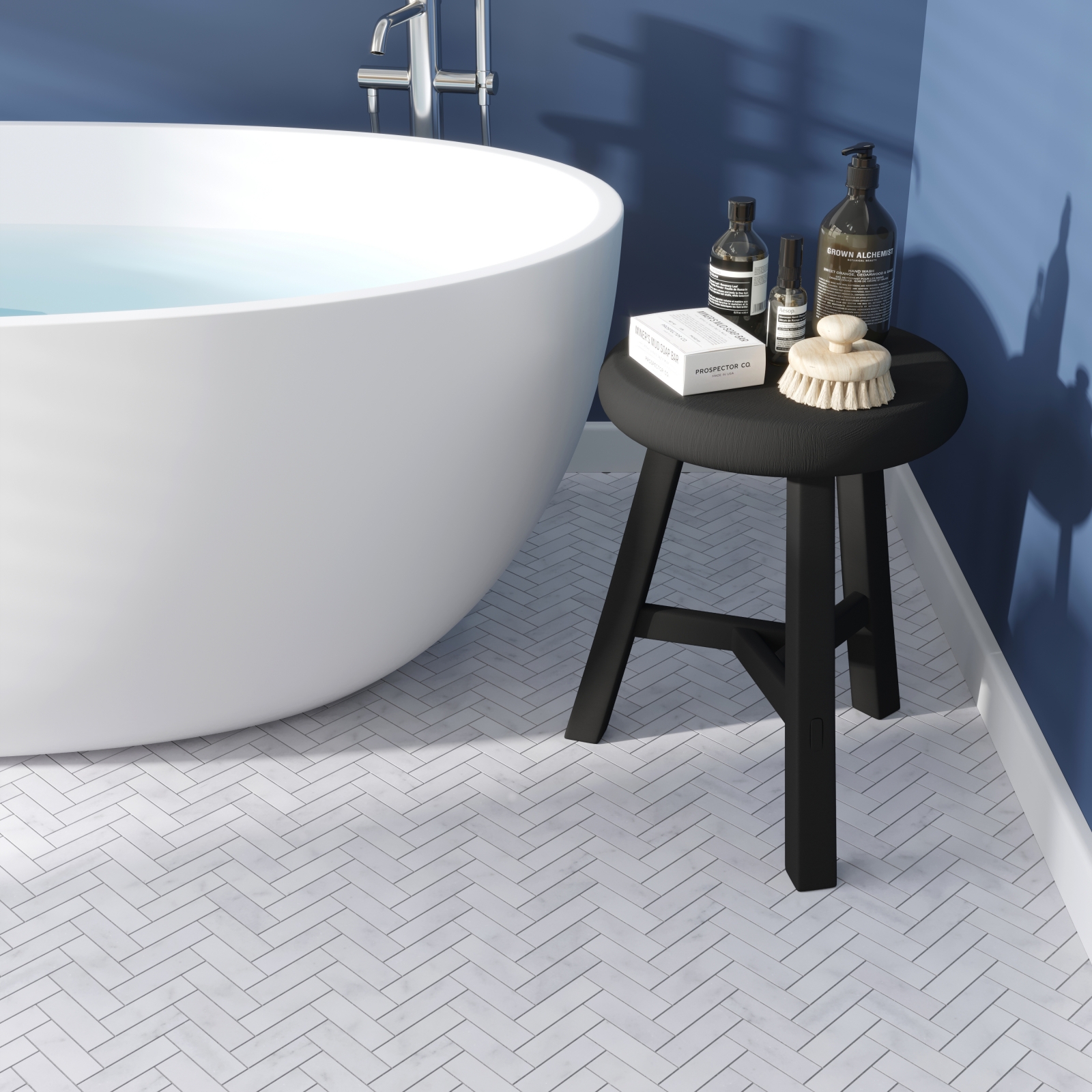
Honed and matt tiles generally offer better slip resistance than polished tiles, making them a popular choice for bathrooms, kitchens, utility rooms, and high-traffic areas. They are also well suited to outdoor applications when the tile's slip rating is appropriate.
Polished tiles are typically best suited to dry internal spaces such as living rooms, dining areas, feature walls, and formal entranceways. While they can be used in bathrooms, extra care may be needed in areas that regularly become wet, as the polished surface can be more slippery.
For commercial environments, matt porcelain is often preferred in busy locations due to its durability and ability to conceal dirt and wear and that added safety of being more slip resistant over polished tiles.
Maintenance Requirements
Maintenance is another key factor when choosing between finishes.
Matt and honed porcelain tiles are generally very easy to maintain. Their non-reflective surface disguises dust, footprints, and minor marks, reducing the frequency of cleaning. Regular sweeping and occasional mopping with a pH-neutral cleaner is usually sufficient.
Polished porcelain tiles are also relatively low maintenance but tend to show fingerprints, water spots, and dust more readily. Regular cleaning helps maintain their reflective appearance.
With natural stone, maintenance requirements are slightly different. Honed stone often requires periodic sealing to protect against staining and moisture penetration. Polished natural stone will also require sealing, as they are both made up of porous material. Acidic cleaners should be avoided on natural stone surfaces, as they can damage both honed and polished finishes.
Which Finish is Right for You?
The choice ultimately depends on the desired aesthetic and practical requirements of the space. Honed and matt finishes offer a natural, contemporary appearance with excellent practicality and easier day-to-day maintenance. Polished finishes deliver elegance, brightness, and visual impact, making them ideal for creating a luxurious statement.
By considering appearance, slip resistance, traffic levels, and maintenance expectations, homeowners and designers can select the finish that best balances beauty and performance for their project.


 REVIEWS


